A drain emergency rarely gives you warning. Sewage can back up through a toilet. Water can flood across a kitchen floor. Several fixtures can block at once, all on the same day.
The good news is simple. A few quick actions can limit the damage while you wait for help. This guide walks through exactly what to do, and what to avoid, if drains fail at your home or business.
Is This a Drain Emergency?
Not every blockage is an emergency. A single slow sink can usually wait for a normal appointment. However, some signs mean you need help fast:
- Sewage coming back up through a toilet, sink, or shower
- Water flooding out from a drain or manhole
- More than one fixture blocked at the same time
- A strong sewage smell inside the house
- Sewage visible in the garden or on the driveway
If you spot any of these, treat it as urgent. Waiting rarely makes things better, and a small problem can spread fast once wastewater has nowhere else to go.
This guide covers drainage emergencies specifically — wastewater that has nowhere to go. A burst water pipe is a different problem, with a different first step (shutting off your stopcock). See what to do in the first five minutes after a pipe bursts if that's what you're facing.
Why Multiple Blocked Fixtures Matter
One blocked sink is usually a local problem, often just that sink's own pipe. But if your toilet, bath, and kitchen sink all back up together, that's different. The blockage is probably further down the line. It's likely sitting in a shared drain that serves the whole property.
This is a bigger job, and it needs proper diagnosis. Older streets across Newcastle upon Tyne, Gateshead, and Sunderland often have ageing clay pipework. It's more prone to this kind of shared blockage than modern plastic pipe.
Heavy Rain Makes It Worse
Coastal and low-lying areas feel this the most. In Whitley Bay, Tynemouth, North Shields, and South Shields, heavy rain can overwhelm surface drains fast. Rivers running through Newcastle upon Tyne, Gateshead, and Sunderland add extra pressure during storms too.
If your drains struggle every time it rains heavily, that's not bad luck. It usually points to a blockage, a collapsed section of pipe, or a drain that's simply too small for the water reaching it. Either way, it's worth getting checked before the next downpour.
If You Rent, or Run a Business
Renting a property doesn't change the first steps. Stop using water, protect what you can, and stay safe. However, tenants should also tell their landlord or letting agent what's happening, as soon as it's safe to do so.
Businesses face their own pressure, since a flooded kitchen or blocked toilet can shut a site down for the day. Restaurants, shops, and offices across the region can book us directly, without waiting on anyone else to act first.
Your First Five Minutes
Stop Using Water
Every flush and every tap adds more water to a system that is already struggling. So stop straight away.
- Don't flush the toilet
- Don't run taps, showers, or baths
- Don't use the washing machine or dishwasher
- Turn off any appliance that drains water
This one step alone can stop a bad problem turning into a much bigger one.
Find the Stopcock
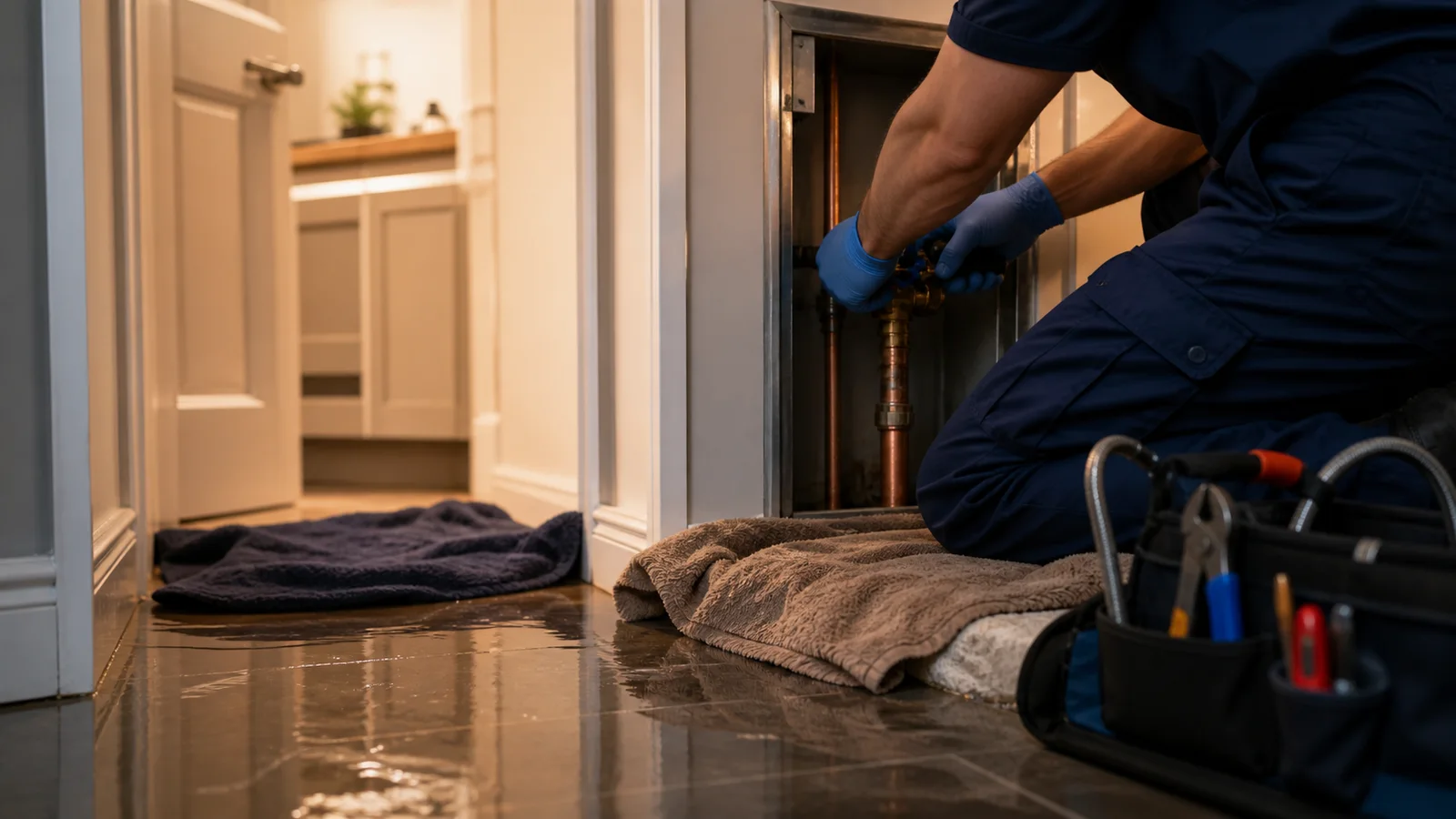
If water keeps flowing and you can't stop it at the source, turn off your main supply. The stopcock is usually under the kitchen sink or near the front door. Turning it off buys you time until an engineer arrives.
Protect Your Home
If water or sewage is coming into the house, act quickly. Every few minutes matters here.
- Move furniture and valuables away from the water
- Lift rugs and carpets where you can
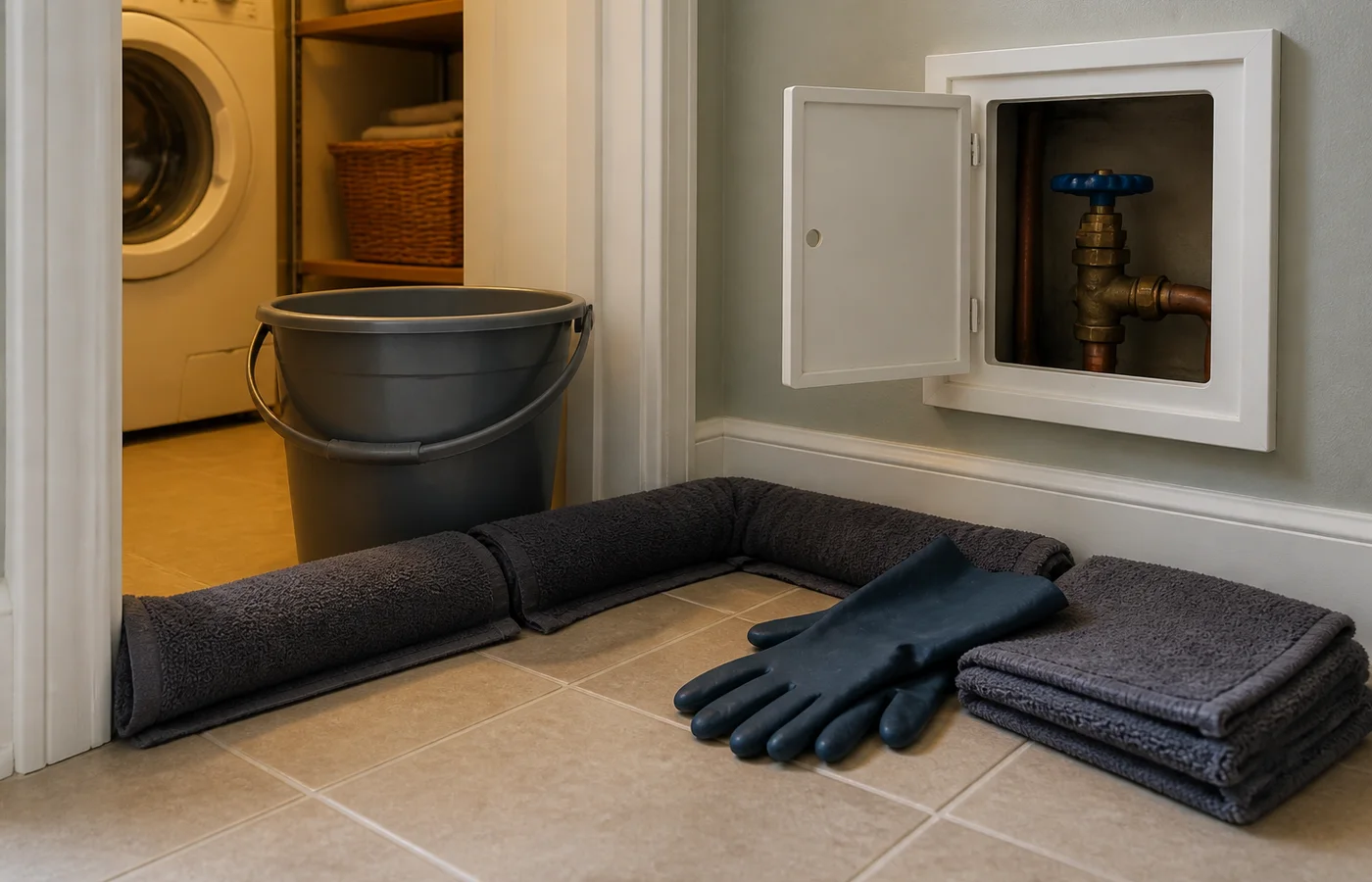
- Use towels or sandbags to block doorways
- Open a window to let the smell out
Health Comes First
Sewage carries bacteria that can make people ill. Therefore, keep children and pets well away from any affected area. If you must go near it yourself, wear gloves and boots.
Wash your hands and face properly afterwards. Never eat or drink near a contaminated area. If the smell is strong, keep windows open and avoid spending long periods in the affected room.
Document What You Can
Once the immediate danger is under control, take a few minutes to record what happened. This helps if you need to make an insurance claim later.
- Take photos and short videos of the affected areas
- Note the time the problem started
- List any belongings that have been damaged
- Keep receipts for anything you buy to manage the situation, such as towels or a wet vacuum hire
Mistakes That Make Things Worse
Don't Reach for Chemical Cleaners
Shop-bought drain chemicals are made for small, everyday blockages. They won't shift a serious problem. Worse, they can react with gases already trapped in a blocked pipe, and that's a real safety risk.
Don't Try to Open the Sewer
The pipe that carries waste from your property to the public sewer sits underground and out of sight. Never try to access or clear it yourself. It's dangerous, and in most cases it isn't allowed without the right training and equipment.
Don't Wait and Hope
It's tempting to hope a blockage clears on its own. It won't. Every hour you wait gives water and waste more time to spread, and that usually means a bigger repair bill later.
Booking a drain unblocking visit early is almost always cheaper than leaving a problem to grow.
While You Wait for an Engineer
A few small steps help once you've asked for assistance:
- Clear access to any manhole covers or inspection chambers
- Note where the water or sewage first appeared
- Ask neighbours if they've noticed anything similar — a shared sewer problem often affects more than one house
- Keep your phone nearby in case we need more details about the property or access
What Happens When We Arrive
Our engineers deal with drain emergencies across Newcastle upon Tyne, Gateshead, Sunderland, South Shields, North Shields, Whitley Bay, Tynemouth, Cramlington, and Hexham. We prioritise urgent jobs and pass them straight to a local engineer.
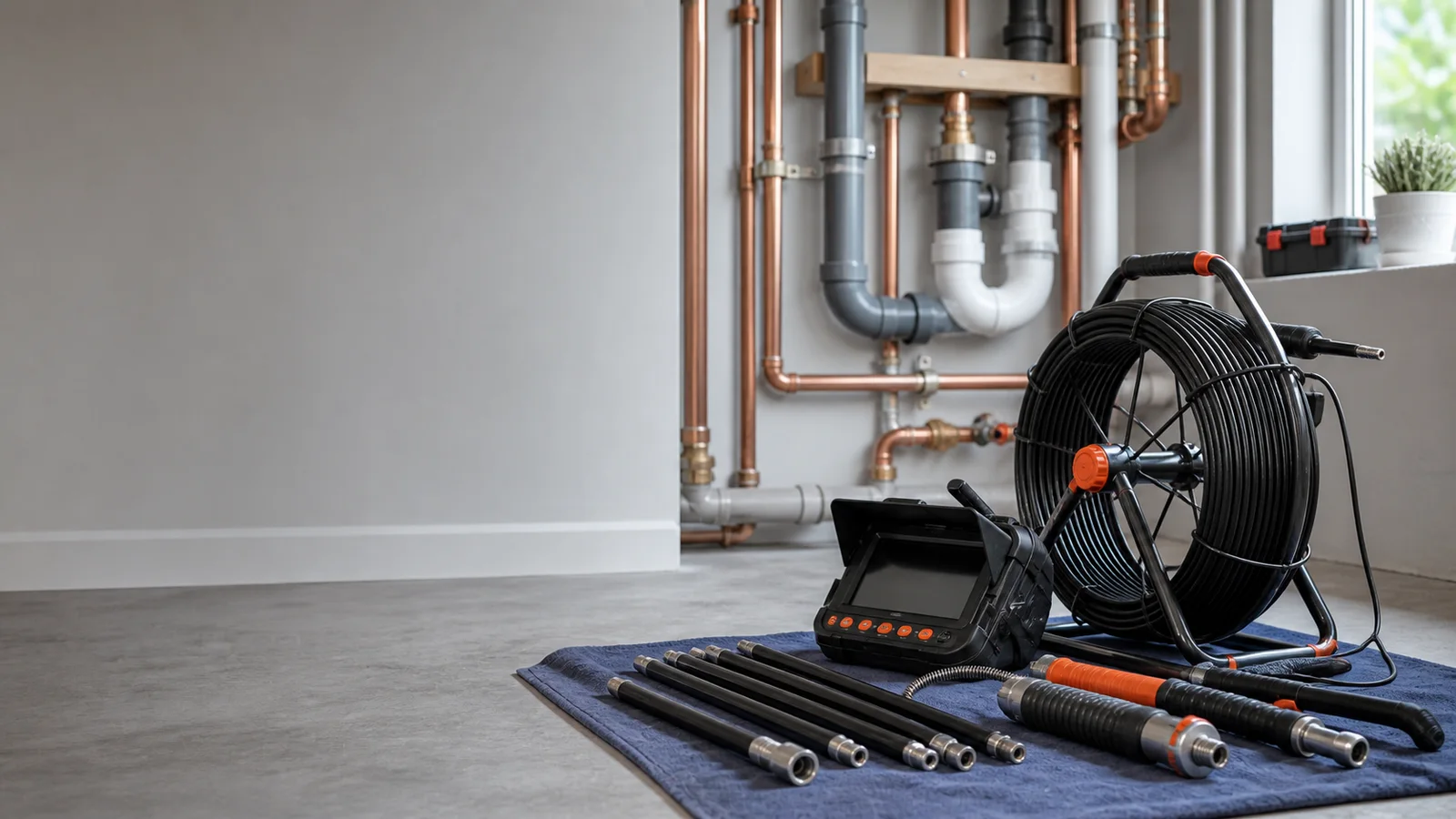
On site, we often run a CCTV drain survey first. That shows us exactly what's happening inside the pipe, so there's less guesswork and fewer repeat visits. For a stubborn blockage, our engineers often turn to drain jetting. It clears the line with high-pressure water instead of harsh chemicals.
Flooding and sewage backups are treated as top priority calls. You'll always get a fixed quote before any work starts, so there are no surprises once the job is finished.
Request an Emergency Callout
If your drains have failed and water or sewage is spreading through your property, don't wait it out. Our emergency drain services team covers flooding and sewage emergencies across the region, seven days a week.
Follow the steps above to protect your home in the meantime. Then request an emergency callout online. We'll pass your request on to a local engineer straight away.
Where to get help
Water already rising? Our flooding emergency response team prioritises it, and the sewage emergency response team handles contaminated backups safely. Urgent help is available in rural Hexham and across Newcastle upon Tyne, day or night.
Drain repairs and emergency plumbing across our coverage area
- Drain repairs in Newcastle upon Tyne
- Drain repairs in Gateshead
- Drain repairs in Sunderland
- Drain repairs in South Shields
- Drain repairs in North Shields
- Drain repairs in Whitley Bay
- Drain repairs in Tynemouth
- Drain repairs in Cramlington
- Drain repairs in Hexham
- Emergency plumber in Newcastle upon Tyne
- Emergency plumber in Gateshead
- Emergency plumber in Sunderland
- Emergency plumber in South Shields
- Emergency plumber in North Shields
- Emergency plumber in Whitley Bay
- Emergency plumber in Tynemouth
- Emergency plumber in Cramlington
- Emergency plumber in Hexham